
Umberto Eco
Umberto Eco was an Italian medievalist, philosopher, semiotician, novelist, cultural critic, and political and social commentator. In English, he is best known for his popular 1980 novel The Name of the Rose, a historical mystery combining semiotics in fiction with biblical analysis, medieval studies and literary theory, as well as Foucault's Pendulum, his 1988 novel which touches on similar themes.
Complete Bibliography
Follow the recommended order to not miss a thing.
Main Works
50 Books

Il problema estetico in Tommaso d'Aquino
Explore the intricate relationship between aesthetics and philosophy in Umberto Eco's "Il problema estetico in Tommaso d'Aquino." You will engage with a detailed analysis of Thomas Aquinas's aesthetic thought. This novel offers a scholarly journey into historical philosophical ideas.

Storia figurata delle invenzioni
In "Storia figurata delle invenzioni," you discover a novel by Umberto Eco from 1961. This work presents a narrative from the distinctive author. You will explore a story that draws on its unique thematic focus.

Opera Aperta
You will explore theoretical concepts concerning the interpretation and structure of artistic works. This text invites you to consider the active role of the audience in shaping meaning. It delves into how art can be understood as an open system.
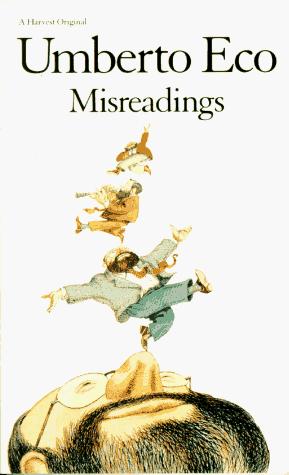
Diario minimo
Umberto Eco's 1963 novel, 'Diario minimo,' presents you with a collection of observations and reflections. This work invites you to engage with a unique perspective on various cultural and intellectual topics. You will encounter Eco's distinctive style, offering insights into the everyday and the profound. Explore this novel for a blend of wit and critical thought.


La Struttura Assente
You are invited to explore "La Struttura Assente," a novel by Umberto Eco. This work, published in 1972, offers you an opportunity to engage with the author's intellectual narrative. Delve into its pages to discover Eco's unique perspective.

Il segno
You encounter 'Il segno,' a novel penned by Umberto Eco. This work was originally published in 1973. Immerse yourself in the narrative crafted by this esteemed author. Explore the themes and characters presented within its pages.

Theory of Semiotics (Advances in Semiotics)
You delve into "Theory of Semiotics," a novel by Umberto Eco. Published in 1976, this work appears within the "Advances in Semiotics" context. Engage with a unique narrative approach from a distinguished intellectual.

Cómo se hace una tesis
You are presented with a 1977 novel by Umberto Eco. This work, titled 'Cómo se hace una tesis', invites you to an exploration of methodology and academic rigor. Prepare for a guide that addresses the process of research and writing with a unique perspective.

The role of the reader
Delve into the intricate relationship between a text and its interpreter. You will explore how meaning is constructed through the act of reading and the active participation of the audience. Consider the various ways a reader shapes the narrative experience.

Lector In Fabula
Engage with a sophisticated exploration of narrative theory and the role of the reader. You will encounter a text that delves into how meaning is constructed and interpreted. This novel invites you to reflect on your own experience as a participant in storytelling.
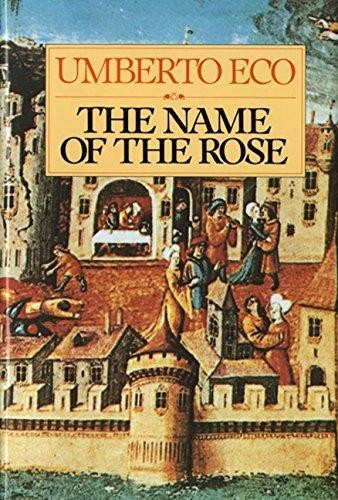
Il nome della rosa
You delve into Il nome della rosa, a novel by Umberto Eco. This work, published in 1980, invites you to explore a complex narrative universe. Prepare for an immersion into the erudition and mystery characteristic of the author.

The middle ages of James Joyce
Engage with a unique exploration in Umberto Eco's 1982 novel, "The middle ages of James Joyce." You will find a narrative that delves into specific themes related to the renowned author. Discover a distinctive perspective presented by Eco.

Postille a Il nome della rosa
Engage with reflections and commentaries that expand upon a prior work. You will gain further insight into the themes and ideas presented in a significant literary piece. This novel invites you to revisit and deepen your understanding of a complex narrative.

Semiotica y Filosofia del Lenguaje
You are invited to explore a novel by Umberto Eco, originally published in 1983. This work engages with the intricate relationship between semiotics and the philosophy of language. Expect a narrative that reflects on these profound subjects.

Sugli specchi e altri saggi
You are presented with a collection of insightful essays, exploring diverse topics through a critical lens. The author invites you to delve into complex ideas concerning semiotics, culture, and the nature of perception. You will engage with challenging concepts, encouraging a deeper understanding of the world around you.

Faith in fakes
You are presented with 'Faith in fakes,' a novel by Umberto Eco from 1986. This work invites you to engage with its narrative structure. As you navigate its pages, you will encounter the unique literary voice and world crafted by the author.

Travels in Hyperreality (Harvest Book)
Explore "Travels in Hyperreality," a novel by Umberto Eco, published in 1986. You will embark on a journey through reflections on culture, media, and perception. This book, presented as a Harvest Book, offers a distinctive perspective on contemporary society.
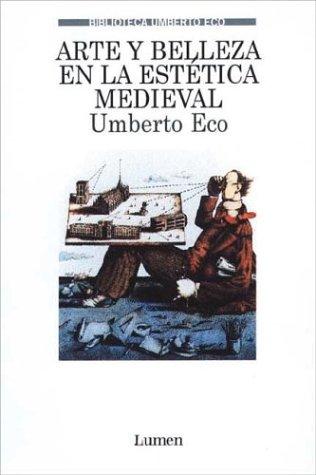
Art et beauté dans l'esthétique médiévale
Engage with "Art et beauté dans l'esthétique médiévale," a novel by Umberto Eco, published in 1986. You will delve into a narrative that explores the concepts of art and beauty within a medieval aesthetic. This work offers a unique perspective on historical and philosophical themes.

Gülün Adi
In this 1986 novel by Umberto Eco, you encounter a narrative known by its distinctive title, 'Gülün Adi'. Explore a story that suggests depth and intrigue through its unique designation. This work invites you to delve into a richly imagined world.

Il pendolo di Foucault
Embark on an intellectual adventure where history, conspiracy, and secret societies intertwine. You will accompany characters who delve into ancient texts and cryptic symbols, seeking hidden meanings. This novel challenges you to question the line between coincidence and design in the fabric of existence.

I limiti dell'interpretazione
Umberto Eco presents a novel that engages with the complexities of understanding. You will explore themes related to how meaning is constructed and perceived. The text encourages you to consider the boundaries of interpretation.

Comment voyager avec un saumon
"Comment voyager avec un saumon" by Umberto Eco invites you to a novel that, by its title, hints at the unexpected and perhaps the absurd. You can anticipate a narrative that plays with conventions or offers unique insights into everyday situations. Prepare for a distinctive literary experience.

L'isola del giorno prima
Umberto Eco's 1994 novel, "L'isola del giorno prima," transports you to a captivating historical setting. You will explore themes of science, adventure, and philosophical inquiry through the eyes of its protagonist. Prepare for an intricate narrative that challenges your understanding of time and discovery.

Six promenades dans les bois du roman et d'ailleurs
You are invited on an intellectual journey, exploring the intricate landscapes of narrative fiction and beyond. This work offers insightful reflections on the nature of storytelling and literary engagement. Prepare to delve into theoretical discussions about the act of reading and creation.

The search for the perfect language
In Umberto Eco's novel, "The Search for the Perfect Language," you are invited to explore a profound intellectual quest. This work delves into the historical and philosophical dimensions of language itself. Prepare to engage with a narrative that examines humanity's enduring fascination with linguistic perfection, presented in 1995.

Cult Of Vespa
Explore 'Cult Of Vespa,' a novel by Umberto Eco. Published in 1996, this work invites you on a literary journey. Discover the narrative perspective of an author known for his erudition.

Kant e l'ornitorinco
Umberto Eco's 1997 novel, "Kant e l'ornitorinco," invites you to its pages. This work from a distinguished author offers a unique narrative. You are presented with a story published in the late twentieth century.

Cinq questions de morale
Engage with the intellectual depth of "Cinq questions de morale" by Umberto Eco. This novel presents a thought-provoking exploration of its subject. You will consider complex ideas within its narrative.

TURNING BACK THE CLOCK; TRANS. BY ALASTAIR MCEWEN
You are invited to delve into 'TURNING BACK THE CLOCK', a novel by Umberto Eco from 1998. This work offers you an exploration of Eco's narrative. Discover the unique world and characters presented within its pages.

Essays
An essay is, generally, a piece of writing that gives the author's own argument, but the definition is vague, overlapping with those of a letter, a paper, an article, a pamphlet, and a short story. Essays have been sub-classified as formal and informal: formal essays are characterized by "serious purpose, dignity, logical organization, length," whereas the informal essay is characterized by "the personal element, humor, graceful style, rambling structure, unconventionality or novelty of theme," etc.
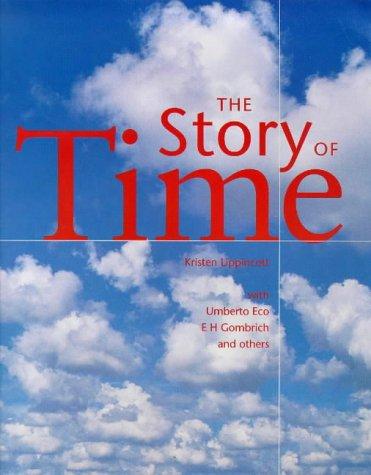
The Story of Time
Umberto Eco's 1999 novel, "The Story of Time," offers you a narrative by a distinguished author. You will engage with a work characteristic of his intellectual and literary style. This book provides a specific contribution to the novelistic output of its year.

La bustina di minerva
Umberto Eco's 1999 novel, "La bustina di minerva," invites you to engage with a work of intellectual depth. You will explore a narrative rich with cultural and philosophical references. Delve into the unique perspective offered by this author.

Baudolino
Umberto Eco's "Baudolino" invites you into a historical novel filled with adventure and intricate narratives. You follow the protagonist through a world of myth, history, and philosophical inquiry. This work challenges you to discern truth from elaborate storytelling. It offers a rich tapestry of imagination and intellectual play.

Dire quasi la stessa cosa
Umberto Eco offers a work that delves into the nuances of language and interpretation. You will explore the complexities of communication, particularly the idea of "saying almost the same thing." This novel invites you to reflect on translation, meaning, and the subtle differences in expression.

MOUSE OR RAT?: TRANSLATION AS NEGOTIATION
Umberto Eco's novel "MOUSE OR RAT?: TRANSLATION AS NEGOTIATION" presents a unique exploration of language and interpretation. You will delve into the complexities of communication and the subtle art of conveying meaning across different contexts. This narrative challenges you to consider the nuances inherent in every act of translation.

On literature
Umberto Eco presents a novel that engages directly with the concept of literature itself. You will explore perspectives and insights into the nature and function of storytelling. This work offers a unique lens through which to consider the art of writing.

La Misteriosa fiamma della Regina Loana
Umberto Eco's novel invites you into a world of memory, identity, and cultural references. You will follow a protagonist on a journey to reclaim lost aspects of himself. Prepare to delve into a narrative rich with intellectual exploration.

History Of Beauty
You are presented with "History Of Beauty," a novel by Umberto Eco. This work invites you to engage with Eco's scholarly depth and his unique blend of narrative and intellectual inquiry. You will explore perspectives on aesthetics within this 2004 publication.

La historia de la belleza
You are presented with "La historia de la belleza," a novel by Umberto Eco. This work invites you to engage with Eco's scholarly depth and his unique blend of narrative and intellectual inquiry. You will explore perspectives on aesthetics within this 2004 publication.

On Ugliness
Umberto Eco's 2007 novel, "On Ugliness," provides a distinct literary exploration. You will engage with a standalone work by this intellectual author. This book offers a complete narrative experience.

Vertigine della lista
You can delve into 'Vertigine della lista,' a novel by Umberto Eco published in 2009. This work offers you a chance to engage with Eco's intellectual approach to literature. Consider experiencing this unique piece from a distinguished author.
Il cimitero di Praga
You are invited to experience Umberto Eco's novel from 2010. Titled 'Il cimitero di Praga', this work presents a fictional narrative for your consideration. As a novel, it offers a particular literary journey, inviting you to delve into its pages.
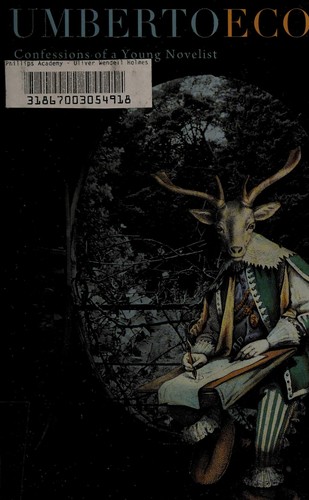
Confessions of a young novelist
Explore 'Confessions of a young novelist', a novel by Umberto Eco. Published in 2011, this work offers you a unique perspective on the art of writing. It invites you to reflect on literary creation from the author's viewpoint.
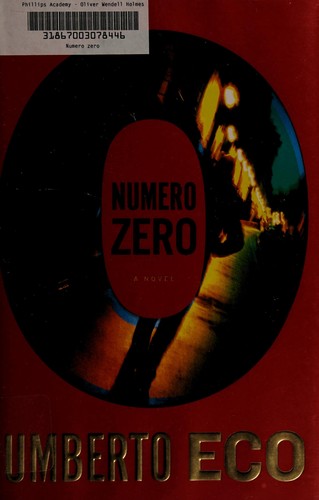
Numero zero
Step into the world of Umberto Eco's "Numero zero." This novel invites you to explore the inner workings of a nascent newspaper in Milan. You will encounter a cast of characters navigating the complexities of truth, lies, and the media landscape. The narrative delves into the construction of reality through reporting and its potential for manipulation.

The Book Of Legendary Lands
You are invited to explore The Book Of Legendary Lands, a novel by Umberto Eco published in 2013. This literary work offers you an engagement with its unique narrative. Prepare to immerse yourself in this compelling creation.

Chronicles of a Liquid Society
Umberto Eco's 'Chronicles of a Liquid Society' is a novel released in 2017 for your consideration. This work invites you to engage with a narrative from a distinguished author. You will encounter a story presented with Eco's unique perspective. Explore this novel from a renowned intellectual.

Il fascismo eterno
Umberto Eco presents 'Il fascismo eterno,' a novel from an author renowned for his intellectual depth and genre-bending works. You are invited to explore a fictional narrative that likely engages with complex societal or historical themes. Prepare to immerse yourself in a story that provokes thought and offers a unique perspective.

How to Spot a Fascist
How to Spot a Fascist is a collection of essays by Umberto Eco published in 2020. It gathers some of his most lucid texts on fascism, democracy and the dangers of populism. An urgent and necessary read from the Italian semiotician, more relevant than ever in the current political context.